Flooded Basement Cleanup in Jeffersonville, IN
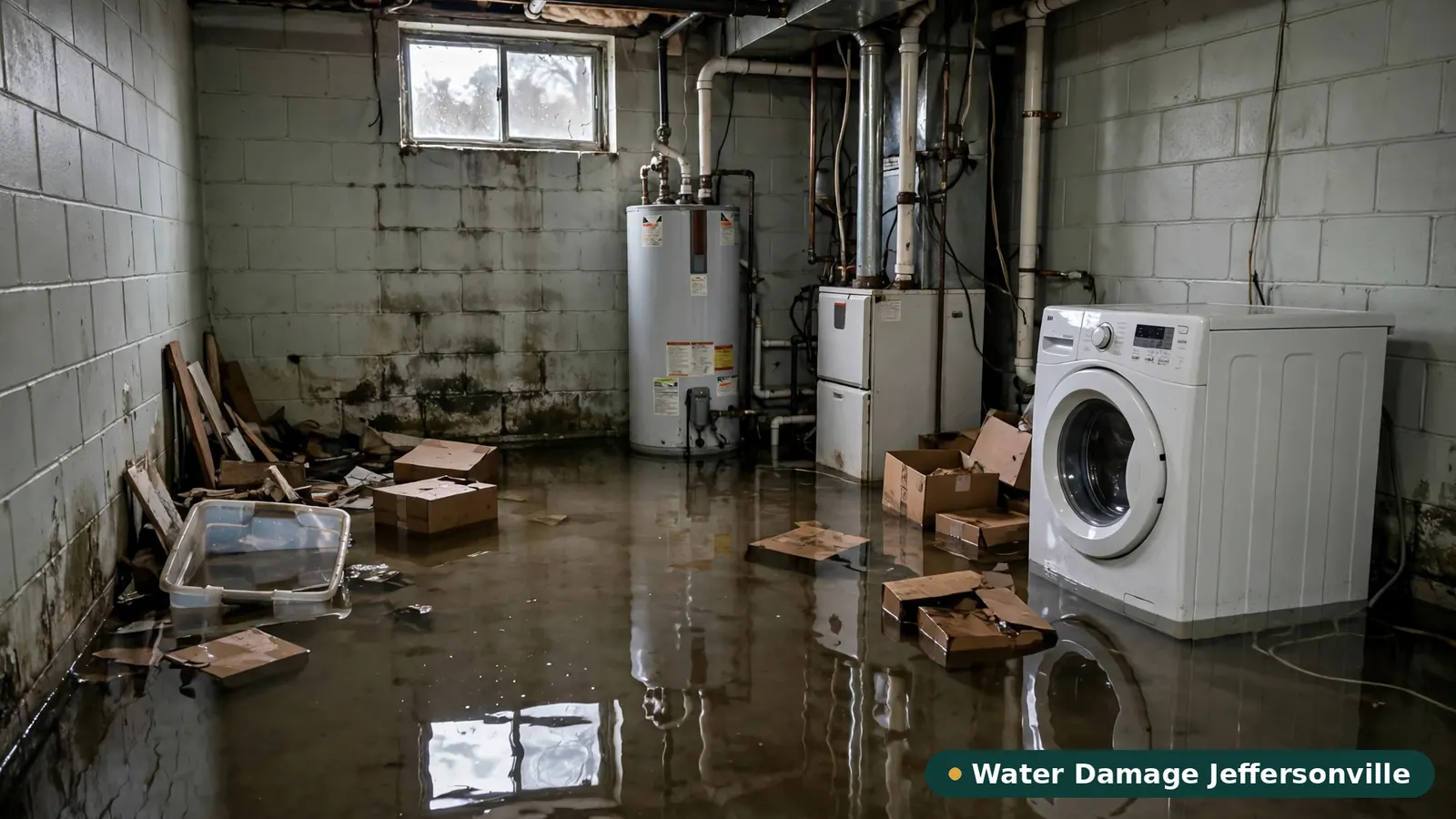
Flooded basement cleanup in Jeffersonville, IN starts with knowing where the water came from: seepage after days of rain, a floor drain backing up while the Ohio River runs high, a sump pump that quit in a storm, or a water heater that let go. Our crew pumps it out, removes what cannot be saved, disinfects every surface and dries your basement, any hour of the day.
How Water Gets Into Jeffersonville Basements
Jeffersonville sits on the Ohio River floodplain, and that shapes what happens below grade. Most basement water we see here comes from one of these paths:
- Hydrostatic pressure. After days of rain or snowmelt, saturated soil presses water against foundation walls until it finds a way in.
- The cove joint. The seam where the wall meets the floor slab is the most common entry point in poured and block basements.
- Wall cracks and tie-rod holes. Poured concrete walls develop hairline cracks over time, and the small holes left from construction forms can leak.
- Window wells. Clogged drains or missing covers let rain fill the well and pour through the window.
- Floor drains. During heavy storms, especially when the Ohio is high, drains can back up into the basement.
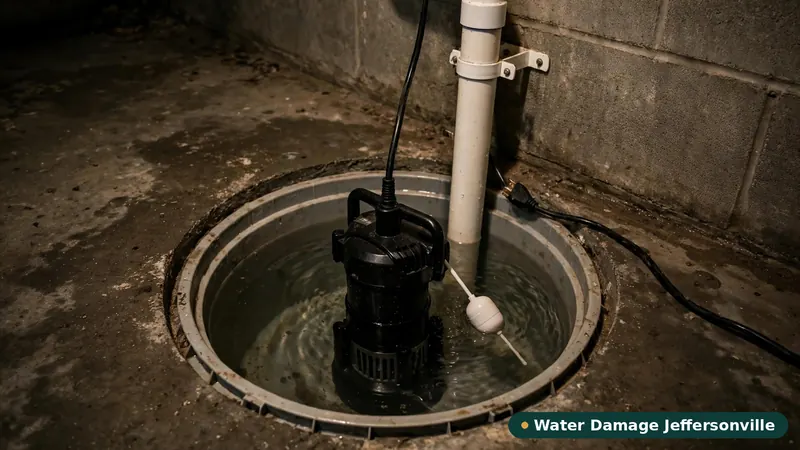
- Sump pump failures. Power outages during spring storms, stuck floats and worn-out pumps let water rise quickly.
- Plumbing and appliances. Water heaters, washing machines and supply lines are often in the basement, so their failures land there first.
Older homes in Downtown Jeffersonville, Port Fulton and Claysburg tend to have brick, stone or early concrete foundations that seep more easily. Newer homes are tighter, but their finished basements mean a single failure can damage much more.
What Should You Do First When Your Jeffersonville Basement Floods?
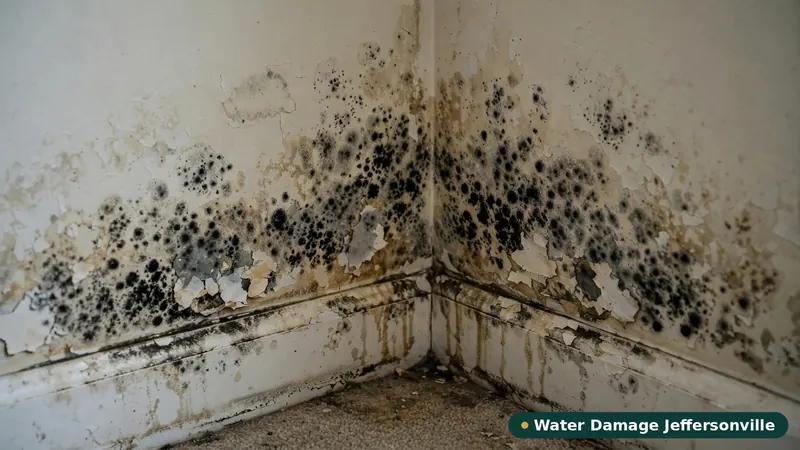
The bottom line: stay out of the water if it is near outlets, the furnace or the electrical panel, stop the source if you can, take photos, move belongings up and out, and call a basement cleanup crew right away. Fast pumping and drying keeps water from soaking into drywall, framing and the floor above, and stops mold before it starts.
A few more steps that help:
- If water is coming up a floor drain, stop using sinks, toilets, showers, the dishwasher and washer until we arrive.
- If your sump pump stopped, check the breaker and the float, but never handle cords while standing in water.
- If you smell gas or water has reached the furnace or water heater burners, leave and call the utility.
- Lift area rugs and move boxes to a dry floor.
- Open windows only if the outdoor air is cooler and drier than inside; otherwise keep them closed.
Our Basement Water Removal and Drying Process in Jeffersonville
- Step 1: Safety check. We confirm the power to the basement is safe, check gas appliances and look at stairs and floors before entering.
- Step 2: Identify the source and water type. Clean, gray or black water determines what can be saved and how we clean.
- Step 3: Pump and extract. Submersible pumps handle deep water and truck-mounted extraction pulls water from carpet and hard floors.
- Step 4: Remove what cannot be saved. Pad, soaked insulation and damaged drywall are cut out cleanly and hauled away. Belongings are moved or packed out.
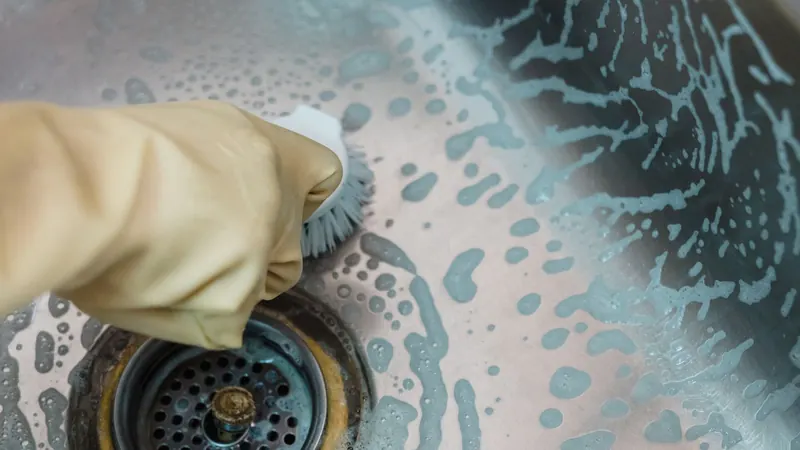
- Step 5: Clean and disinfect. Floors, walls, framing and the bottom of the stairs are cleaned and treated with antimicrobial products.
- Step 6: Dry. Low-grain refrigerant dehumidifiers that keep working in cool basements, plus air movers aimed at walls and floors, run until readings reach their dry goal.
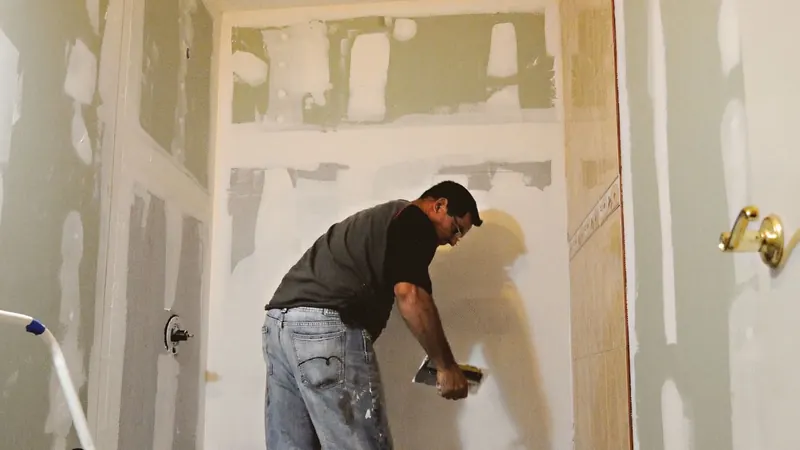
- Step 7: Verify and rebuild. We confirm everything is dry, then replace drywall, flooring and trim so your basement is finished again.
Seepage, Backup or Leak? Reading the Clues in Your Jeffersonville Basement
Where the water shows up tells us a lot about where it came from, and that shapes the cleanup:
- A wet line along the base of the walls points to seepage at the cove joint, where the wall meets the floor, driven by saturated soil.
- Water around a floor drain, especially with a sewer smell, points to a drain or sewer backup.
- Water spreading from the sump pit points to a failed pump, a stuck float or a power outage.
- Water starting near the water heater or furnace points to a tank failure or a leaking condensate or humidifier line.
- Water coming through a window well points to clogged drainage or a missing well cover.
- Damp streaks running down from a crack or a small round hole in poured concrete point to a foundation crack or tie-rod hole.
- White, chalky deposits on walls point to long-term seepage, even if you have never seen standing water.
We note each clue in your file so you and your insurer understand the cause.
Finished Basement Cleanup in Oak Park, Utica Pike and Newer Jeffersonville Subdivisions
Many homes in Oak Park, off Hamburg Pike and Utica Pike, and in newer subdivisions toward Sellersburg and Charlestown have finished lower levels with bedrooms, family rooms and home offices. When water hits these spaces, decisions have to be made fast:
- Vinyl plank and laminate: water gets underneath. Some plank can be lifted, dried and reinstalled; laminate usually swells and must be replaced.
- Carpet: often saved after clean water if we extract quickly; pad is replaced.
- Drywall: dried in place when possible, or cut at a clean line a couple of feet up so walls can be closed back quickly.
- Baseboard and trim: removed carefully, dried and reused when they hold up.
- Wall insulation: removed where wet, because it holds water against the framing.
- Built-ins, bars and cabinets: toe kicks are removed so we can dry underneath.
The goal is always the smallest possible tear-out and the fastest path back to a finished room.
Basement Flooding When the Ohio River Runs High
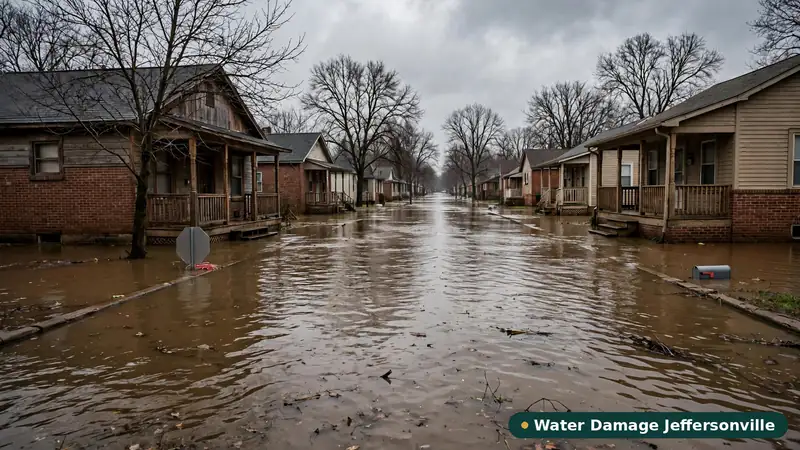
Living next to the Ohio River changes how basements behave. When the river climbs during a long wet stretch in winter or spring, groundwater rises with it, and storm drains and sewers have less room to empty. Basements that stay dry most of the year can start seeping, and floor drains can push water back into the house during heavy rain.
If the river is high and rain is falling, keep an eye on your basement, especially floor drains and the wall-floor joint. Hold off on laundry and long showers during the worst of the storm if your drain has backed up before. And if water does come in, call before it reaches finished areas. Pumping and drying during a high-water stretch takes judgment: sometimes the right move is to protect belongings and contain the water first, then fully dry once the river and groundwater drop.
Protecting Your Jeffersonville Basement From the Next Flood
After the cleanup, these upgrades make the next storm far less stressful:
- Add a battery backup or water-powered backup to your sump pump, and test it every spring.
- Make sure the sump discharge line has a working check valve and empties well away from the house.
- Extend downspouts several feet from the foundation and keep gutters clear.
- Regrade soil so it slopes away from the house.
- Seal foundation cracks and tie-rod holes, or talk to a waterproofing contractor about an interior drain system if seepage is chronic.
- Ask a plumber about a backwater valve if your floor drain has backed up before.
- Install water alarms near the sump, water heater and floor drain.
- Keep stored items on plastic shelving and in plastic bins, not on the floor.
Outside Fixes That Keep Jeffersonville Basements Dry
Many Jeffersonville basement floods start outside the house. Rain that falls on the roof, the yard and the driveway has to go somewhere, and too often it ends up against the foundation. A few outside fixes can cut down basement water more than any interior coating.
- Downspout extensions: carry roof water at least several feet from the foundation, more on clay soil. Splash blocks alone are rarely enough.
- Grading: soil should slope away from the house. Settled backfill near older Jeffersonville homes often tips water toward the wall instead.
- Window wells: install clear covers and make sure each well has gravel and a working drain. Many basement floods come through one window well that filled like a bucket.
- Gutters: clean them in spring and late fall, and check that seams and corners do not drip right beside the foundation.
- Driveways and patios: settled concrete that slopes toward the house can send a sheet of water to a basement wall. Mudjacking or regrading can fix it.
Outside fixes lower the odds, but they do not stop every flood. If your basement is already wet, our finished basement water damage and basement drying crews can get water out fast and dry the walls, floor and framing.

Flooded Basement Cleanup in Jeffersonville, IN at a Glance
Short answer: a flooded basement in Jeffersonville should be pumped out the same day, wet materials removed and the space dried with dehumidifiers until walls and floor read dry. Older cellars in Port Fulton and Claysburg and finished basements in newer subdivisions both need fast action.
- Top causes: seepage after heavy rain, sump failures, floor drain backups and high Ohio River levels.
- Safety: stay out of water near outlets, the furnace or the water heater.
- What goes: wet carpet pad, cardboard and soaked drywall.
- Drying time: usually three to five days; longer for masonry.
Water Damage Jeffersonville checks the water source first, because a backup needs sewer backup cleanup, not just drying.
Flooded Basement FAQs for Jeffersonville, IN
The basement questions we hear most from Jeffersonville and Clark County homeowners.
How long does it take to dry a flooded basement in Jeffersonville?
Most basements dry in three to five days after the water is extracted. Concrete floors and block walls hold a lot of moisture, and cold winter temperatures slow drying, so some take up to a week. We take readings every day and remove equipment only when everything reaches its dry goal.
Does Indiana homeowners insurance cover a flooded basement?
It depends on the source. Sudden plumbing or water heater failures are commonly covered. Sewer and drain backups usually need a backup endorsement. Seepage and groundwater are often excluded, and outside flood water typically needs a flood policy. Ask your agent, and we will document the source and damage clearly for whichever coverage applies.
Can you save the carpet in my flooded basement?
Sometimes. Carpet soaked by clean water from a supply line or water heater can often be dried and reinstalled with new pad if we start quickly. Carpet touched by sewer backup, river water or water that has sat for days is removed for safety.
Why does my Jeffersonville basement only flood after heavy rain?
That pattern usually points to groundwater and hydrostatic pressure. After a long soaking rain, or when the Ohio River is running high, the soil around your foundation fills with water and pushes it through the weakest spots, often the joint where the wall meets the floor. A sump system or waterproofing contractor can address the cause once the cleanup is done.
Should I call before water stops coming into my basement?
Call right away. We can start removing water and protecting belongings even while seepage continues, and we can tell you whether pumping should wait until outside water levels drop. Waiting for the water to stop on its own usually means more damage to finishes and framing.
Get Your Jeffersonville Basement Pumped Out and Dried Today
Basement water soaks into drywall, carpet, framing and concrete a little more every hour. The faster it is pumped and dried, the more of your basement you keep. Our Jeffersonville crew is ready now.
Jeffersonville sits low along the Ohio River, and even behind the floodwall, groundwater rises after heavy rain and pushes into basements through floor cracks, wall joints and floor drains. Water Damage Jeffersonville pumps out the basement, removes wet carpet pad and drywall to a clean line, and dries the concrete and framing so the space does not turn musty a month later.
Water Damage Jeffersonville serves Jeffersonville 47130, Clarksville, New Albany, Sellersburg, Utica, Charlestown and nearby Clark County.