Ohio River & Flash Flood Damage Restoration in Jeffersonville, IN
Flood damage restoration in Jeffersonville, IN covers more than the rare day the Ohio River tops its banks. Backwater in low areas, overflow along Cane Run and Silver Creek, and flash flooding from spring storms can all push contaminated water into homes and businesses. Our crew removes it, sanitizes every surface and dries the structure completely, so you can rebuild with confidence.
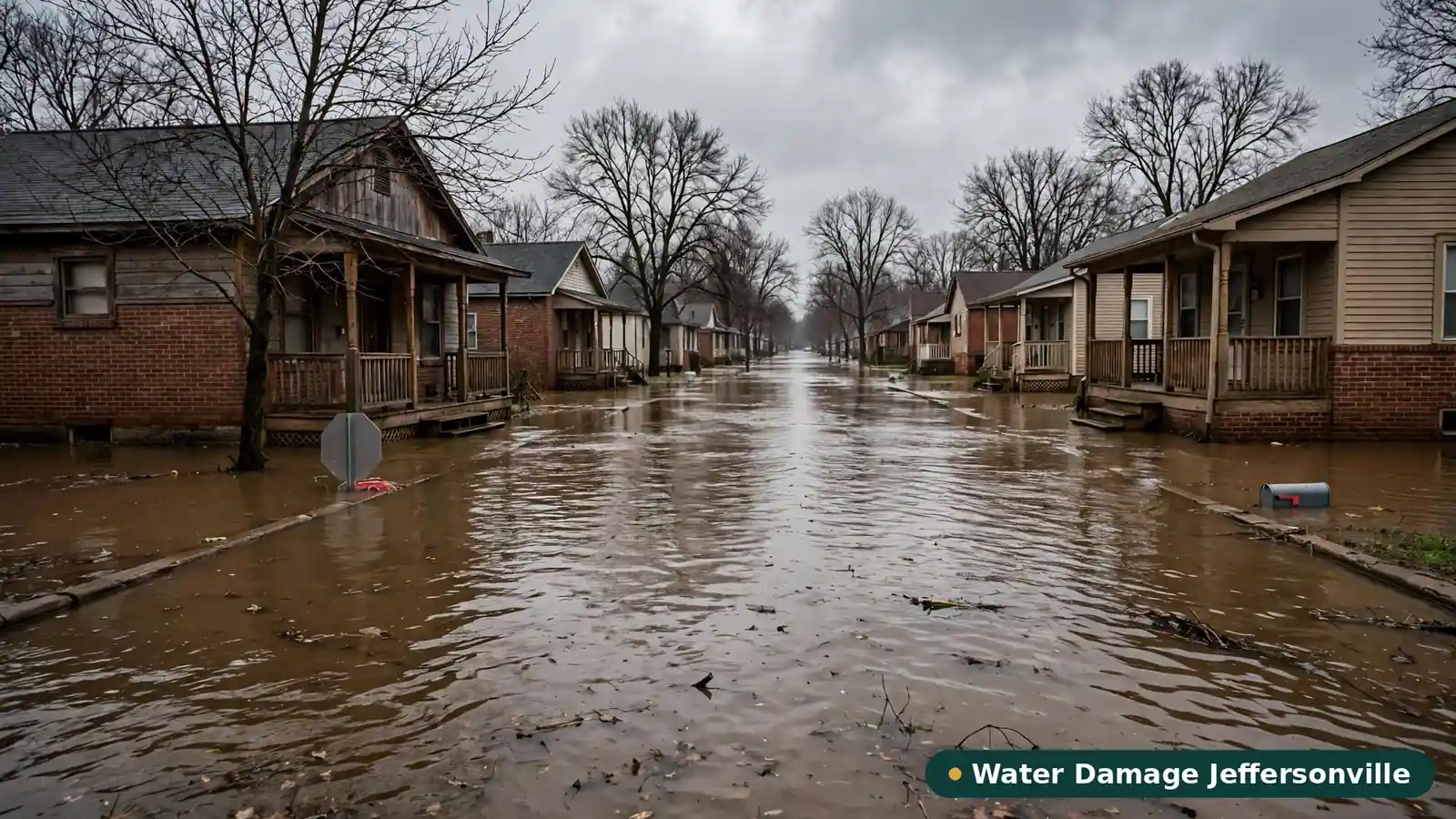
Living Behind the Levee: Jeffersonville's Flood Story
Jeffersonville's relationship with the Ohio River goes back to its founding. After the flood of 1884, when the river crested at 47.4 feet, the federal government built a levee to protect the city. It held through the floods of 1907 and 1913. Then came January 1937, when weeks of rain pushed the Ohio to its worst flood on record and about 90 percent of Jeffersonville went under water. Clarksville saw as much as 12 feet of water.
Today a levee and floodwall system with pump stations protects most of the city from the river. But flooding has not disappeared. When the river is high and heavy rain falls, water inside the wall has to be pumped out. Flooding around the Cane Run pump station in 2011 and 2015 caused major damage to businesses and homes in Jeffersonville and Clarksville, including the Derby Dinner Playhouse, before a new station was built. Clarksville added a new floodgate downtown in 2024. Regional flooding still tends to happen in the first half of the year, during winter and spring rains.
Is Flood Water in a Jeffersonville Home Dangerous?
The bottom line: yes. Water from the river, creeks or streets counts as Category 3, or black water. It carries sewage, bacteria, fuel, chemicals and debris. Porous materials it soaks, such as carpet, drywall and insulation, are usually removed, and every hard surface must be cleaned and disinfected before drying. Keep kids and pets out and wear boots and gloves if you have to go in.
Types of Flooding We Clean Up in Jeffersonville
- River backwater and high groundwater. When the Ohio runs high for days, groundwater rises and low areas can take on water through basement walls and floors, even behind the floodwall.
- Creek overflow. Heavy rain can push Cane Run and Silver Creek out of their banks and into nearby yards, garages and basements in Jeffersonville and Clarksville.
- Flash and street flooding. Spring and summer thunderstorms can drop more rain than storm drains can handle, sending water into doorways, window wells and garages.
- Drainage backups. When outlets to the river are closed or pump stations are working hard, drains in low spots can back up.
- Properties outside the wall. Homes, docks and businesses on the river side of the floodwall face the Ohio directly when it rises.
Our Flood Cleanup Process in Jeffersonville
- Step 1: Safety. We confirm the power is off or safe, check for gas leaks and structural damage, and set up a safe way in.
- Step 2: Documentation. We photograph the water line, every damaged material and your belongings before anything moves.
- Step 3: Water and mud removal. Pumps pull out remaining water, and silt and mud are shoveled and vacuumed from floors, basements and crawl spaces.
- Step 4: Remove contaminated materials. Porous materials the flood water reached, including carpet, pad, drywall and insulation, are cut out to a clean line above where the water wicked.
- Step 5: Clean and disinfect. Framing, slabs, block walls and all hard surfaces are scrubbed and treated with antimicrobial products.
- Step 6: Dry. Dehumidifiers and air movers run with daily moisture readings until the structure reaches its dry goal.
- Step 7: Rebuild. We put walls, floors, insulation and finishes back so your home or business is whole again.
Flooded Basements vs. Flooded Living Areas in Jeffersonville
Most flood calls we get in Jeffersonville are basement floods. Water rises from drains or seeps through walls, so the cleanup centers on concrete, block, framing and whatever was stored or finished below grade. Concrete and block can be cleaned and dried, but they hold a lot of water and take patience.
When flood water reaches the main floor, the job grows. Drywall, insulation, flooring, cabinets and doors are all in play, and water often runs down into the basement or crawl space too. On those jobs we work from the bottom up: dry the lowest level first so it stops feeding moisture into the floors above, then work through each room with a written plan.
Returning Home Safely After a Flood in Clark County
- Wait for local officials to say your area is safe before going back.
- Do not enter if water is still inside, or if walls, floors or ceilings look shifted or sagging.
- Leave the main breaker off until an electrician checks any panel, outlets or appliances that were under water.
- If you smell gas, leave immediately and call the gas utility from outside.
- Wear rubber boots, waterproof gloves and an N95 mask around flood mud and debris.
- Photograph every room, the water line on walls and all damaged belongings before cleanup.
- Run generators and pressure washers outdoors only, far from doors and windows.
- Throw away food, medicine and personal care products that flood water touched.
- Keep children and pets out until the home is cleaned and disinfected.
Flood Insurance and Claims for Jeffersonville Property Owners
Flood damage from outside water, including river backwater, creek overflow and surface flooding, is generally excluded from standard Indiana homeowners policies. That coverage usually comes from a separate flood policy, often through the National Flood Insurance Program, and new NFIP policies typically have a waiting period before they take effect. Sewer backup is a different coverage again, usually added as an endorsement to your homeowners policy.
After a federally declared disaster in Clark County, FEMA assistance may also be available to eligible households. Whatever coverage you have, documentation matters. We photograph the water line in each room, record moisture readings, list every removed material and keep samples when an adjuster asks, so your claim moves faster.
Watching the Ohio River: Flood Forecasts and the Jeffersonville Floodwall
The great Ohio River flood of 1937 put most of Jeffersonville under water, and the floodwall and levee that protect the city today were built because of it. The wall does its job, but when the river rises, rain that falls inside the wall still has to be pumped out, and groundwater pressure still pushes on basements.
- Watch the forecast: the National Weather Service issues Ohio River forecasts for the Louisville gauge, which sits right across from Jeffersonville. Rising forecasts mean days, not hours, of warning.
- Floodgate closures: when the river runs high, the city closes floodwall openings. Plan routes and move vehicles early.
- Interior flooding: heavy rain while the river is high can overload storm drains inside the wall. Low streets and basements see water first.
- Seepage: a high river raises the water table nearby. Basements that are dry most of the year may weep at the floor joint.
- Prepare early: move valuables off the basement floor, test the sump pump and check that your backup power works.
If high water or a flash flood reaches your home, Water Damage Jeffersonville handles extraction, mud removal, cleaning and drying. We treat floodwater as contaminated, so we clean and sanitize every surface it touched.
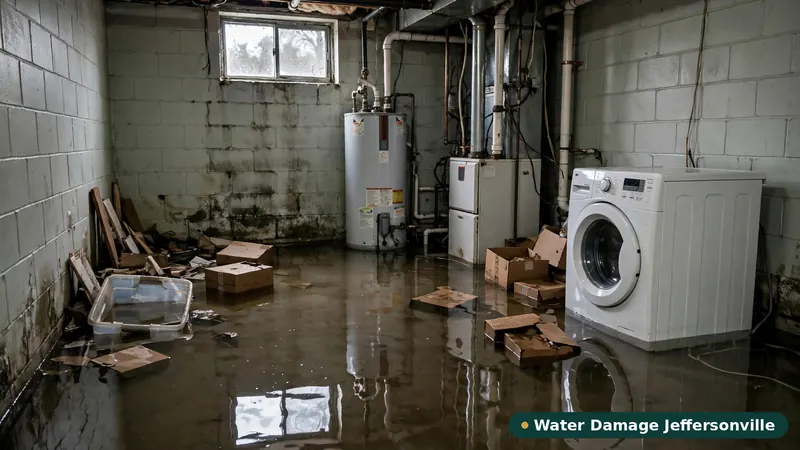

Flood Damage Restoration in Jeffersonville, IN at a Glance
Short answer: floodwater from Ohio River backwater, Cane Run, Silver Creek or flash flooding is contaminated. Restoration means removing mud and soaked porous materials, cleaning and sanitizing everything it touched and drying the structure before rebuilding.
- Before re-entry: wait for officials, then check for gas smells and structural damage.
- Electrical: have power checked before turning it back on.
- Insurance: outside flooding usually needs a separate flood policy.
- Local history: the 1937 flood covered most of the city, leading to today's floodwall.
Water Damage Jeffersonville works through flood cleanup room by room. For claim steps, see our water damage insurance claim help page.
Flood Damage FAQs for Jeffersonville, IN
Common questions from Jeffersonville and Clark County property owners after high water.
If I live behind the floodwall, do I still need flood insurance?
No. The levee and floodwall protect against the river itself, but water can still reach homes through heavy rain that cannot drain, creek overflow, backed-up storm drains and high groundwater. Those events are usually flood losses, which a standard homeowners policy does not cover. Talk with your agent about flood coverage even if you live behind the wall.
How long does flood cleanup take in a Jeffersonville home?
Mud-out and removal of wet materials usually takes one to two days. Drying the structure takes another three to seven days depending on how deep the water was and how much concrete and masonry is involved. Rebuilding follows once readings confirm everything is dry.
What about my furnace and ductwork after a flood?
Do not run a furnace, air handler or water heater that was under flood water until a heating contractor inspects it. Ductwork that held flood water usually needs cleaning or replacement. We remove the water and contamination around the equipment and coordinate with your HVAC company.
Should I throw out everything the flood water touched?
Not everything. Hard, non-porous items like glass, metal, ceramic and solid plastic can usually be cleaned and disinfected. Porous items like mattresses, upholstered furniture, carpet, stuffed toys and paper goods soaked by flood water are usually discarded. Photograph everything before it goes to the curb.
Do you clean up flood damage for businesses near the Jeffersonville riverfront?
Yes. Restaurants, shops, offices and event venues near the riverfront and downtown need a plan that gets doors open again fast. We set up containment, work after hours when needed and provide daily documentation for owners, managers and insurers.
Start Your Jeffersonville Flood Cleanup Today
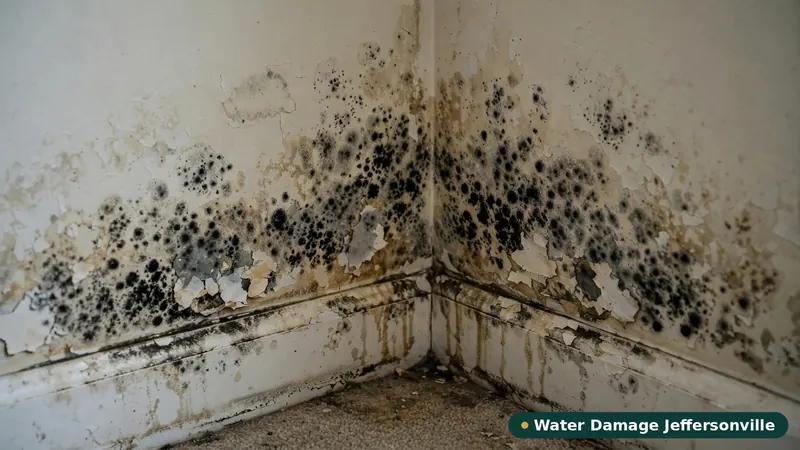
Flood water leaves mud and bacteria behind, and humid Ohio Valley weather helps mold move in fast. As soon as it is safe to go back inside, our Jeffersonville crew can start mud-out, sanitizing and drying.
Flooding shaped Jeffersonville. The great Ohio River flood of 1937 left most of the city under water, which is why the levee and floodwall stand along the riverfront today. Modern floods tend to come from inside the wall: heavy rain overwhelming storm sewers, the Cane Run area backing up, and Silver Creek rising after big storms. Water Damage Jeffersonville treats floodwater as Category 3 and documents every room for flood insurance.
Water Damage Jeffersonville serves Jeffersonville 47130, Clarksville, New Albany, Utica, Sellersburg, Charlestown and communities along the Ohio River in Southern Indiana.